
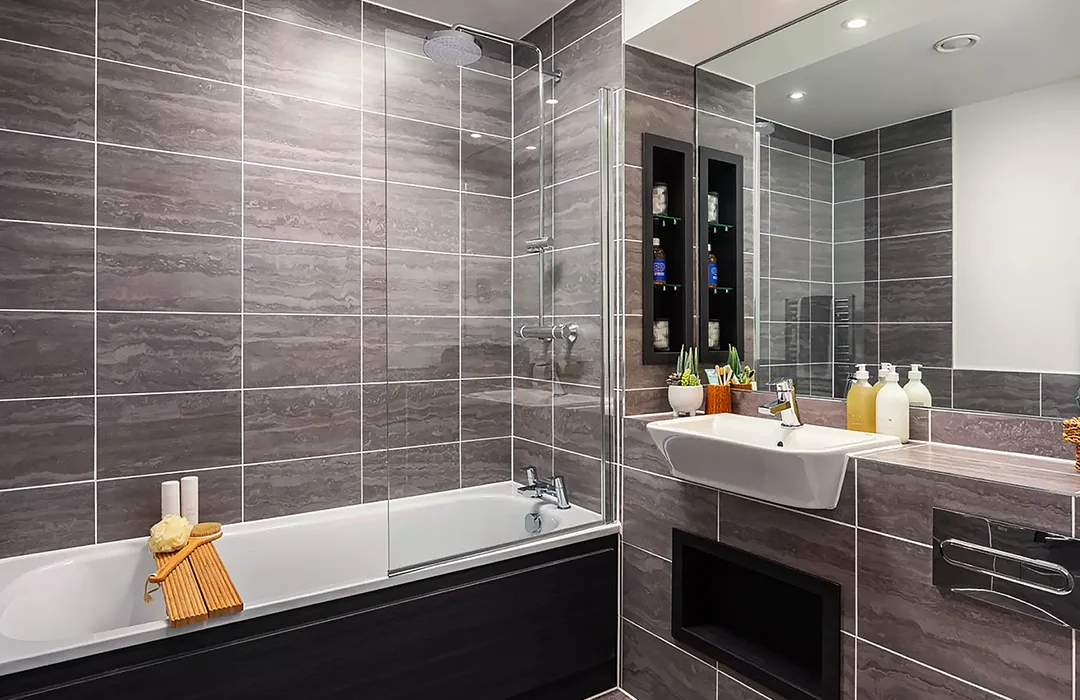
Renovating your home in Melbourne? Whether it’s a bathroom upgrade, a kitchen splash back, or a full-floor installation, proper tiling plays a critical role in the durability, beauty, and long-term performance of your surfaces.
To help you make informed decisions, here are the top 10 tiling tips every Melbourne homeowner should know in 2026.
1. Choose Tiles Suitable for Melbourne’s Climate
Melbourne experiences rapidly changing temperatures and humidity levels.
When selecting tiles, make sure they are:
- Rated for indoor or outdoor use
- Slip-resistant for balconies and wet areas
- Resistant to moisture for bathrooms and laundries
Best tile types: porcelain, ceramic, natural stone (sealed), mosaic.
[Image: “Different types of tiles displayed in a showroom”]
2. Always Prepare the Surface Properly
The foundation of a perfect tile installation is proper surface preparation.
This includes:
- Cleaning dust, oil, and old adhesive
- Ensuring the surface is perfectly level
- Repairing cracks before installing
Poor preparation leads to tile lifting, uneven flooring, and cracking.
[Image: “Tiler preparing a surface using a level tool”]
3. Waterproofing Is Non-Negotiable in Wet Areas
For bathrooms, showers, balconies, and laundries, waterproofing is mandatory under Australian Standards (AS3740).
Without proper waterproofing, you risk:
- Leaks
- Mould growth
- Structural damage
For professional guidance, refer to the Australian Building Codes Board (ABCB):
https://abcb.gov.au
4. Use High-Quality Adhesives and Grouts
Cheap adhesive may fail over time.
For Melbourne homes, especially areas exposed to moisture, the best options are:
- Polymer-modified adhesive
- Waterproof or epoxy grout
- Flexible adhesive for outdoor areas
Premium materials ensure long-term durability and prevent tile movement.
5. Correct Tile Spacing Makes a Big Difference
Using proper tile spacers ensures clean and consistent grout lines.
Incorrect spacing results in:
- Misaligned tiles
- Weak grout joints
- A noticeable “unprofessional” finish
Standard spacing:
- 1.5–3 mm for indoor tiles
- 3–5 mm for outdoor tiles
[Image: “Tile spacers placed between floor tiles”]
6. Don’t Skip Screeding for Bathrooms and Showers
Bathroom floors must be pre-sloped to prevent water pooling. Screeding creates that perfect slope.
Professional screeding also ensures:
- Surface strength
- Better tile bonding
- Long-term waterproof integrity
7. Select Tiles Based on Function, Not Just Looks
A beautiful tile is not always the right tile.
Consider:
- Slip rating (R10–R13 for wet areas)
- Thickness and strength
- Maintenance levels
- Stain resistance
Marble looks amazing but requires sealing. Porcelain is beautiful and low maintenance.
8. Outdoor Tiling Requires Extra Care
Melbourne’s weather can impact outdoor tiles.
For patios, driveways, and pool areas, ensure the tiles are:
- Frost-resistant
- Non-slip
- UV-resistant
- Installed with flexible adhesive
[Image: “Outdoor patio tiling with slip-resistant tiles”]
9. Hire a Licensed & Insured Tiler
DIY tiling often leads to mistakes that cost more to repair later.
A licensed tiler ensures:
- Correct waterproofing
- Perfect leveling
- Long-lasting adhesion
- Compliance with Australian standards
- Warranty on workmanship
Before hiring, always check the VIC license register:
https://www.vba.vic.gov.au
10. Seal the Tiles If Necessary
Natural stone tiles require sealing every 1–2 years.
This protects against:
- Stains
- Moisture
- Discoloration
- Mould
Porcelain may not need sealing, but the grout always benefits from sealing.
Final Thoughts
Proper tiling increases the beauty, functionality, and long-term value of your home. By following these 10 key tips, you’ll avoid costly mistakes and ensure your tiles last for decades.
If you need expert tiling in Melbourne, Noble Tiling Solutions is here to help
Looking for professional tiling services in Melbourne?
✔ Licensed & Insured
✔ 10+ Years of Experience
✔ Premium Materials & Long-Lasting Results
Contact Noble Tiling Solutions today for a free quote.

Noble Tiling Solutions Pty Ltd