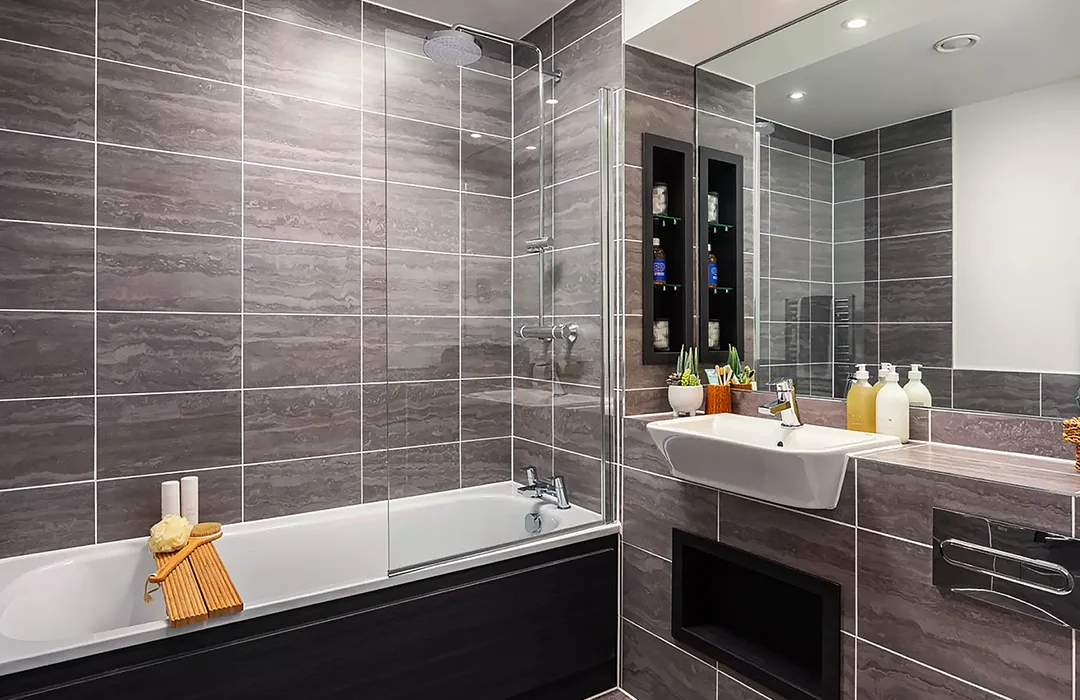

Tiling may look straightforward, but even small mistakes can lead to cracked tiles, water damage, and expensive repairs. Many homeowners only realise the problem months—or years—after installation, when the damage is already done.
This article highlights the most common tiling mistakes and explains how professional planning and workmanship prevent costly issues.
Skipping Proper Surface Preparation
One of the biggest mistakes is tiling over:
- Uneven substrates
- Dusty or oily surfaces
- Weak or cracked floors
Tiles rely on a stable, level base. Without it, tiles will loosen and crack over time.
Image:
Uneven floor surface before tiling.
Ignoring Waterproofing Requirements
Bathrooms, showers, balconies, and laundries must be waterproofed before tiling.
Common waterproofing mistakes include:
- Missing membrane coverage
- Insufficient drying time
- Non-compliance with Australian standards
Water damage repairs often cost far more than proper waterproofing.
Using the Wrong Adhesive or Grout
Not all tiles use the same materials.
Mistakes include:
- Incorrect adhesive for tile size
- Unsuitable grout for wet areas
- Poor mixing ratios
Professional tilers select materials based on tile type, environment, and load.
Poor Tile Layout and Alignment
Rushed layouts cause:
- Uneven grout lines
- Misaligned patterns
- Unattractive cuts at edges
Proper planning ensures symmetry, balance, and a clean finish.
Image:
Comparison of poor vs professional tile alignment.
Incorrect Floor Falls and Drainage
Especially in wet areas:
- Floors must slope toward drains
- Incorrect falls cause pooling water
- Standing water leads to mould and leaks
This is a technical step requiring experience and precision.
Tiling Without Expansion Joints
Tiles expand and contract with temperature changes.
Without expansion joints:
- Tiles crack
- Grout lines fail
- Structural stress builds
This mistake is common in large areas and outdoor spaces.
Rushing Drying and Curing Time
Walking on tiles too early or installing fixtures too soon:
- Weakens adhesive bond
- Causes tile movement
- Shortens tile lifespan
Professional tilers follow strict curing timelines.
Choosing the Wrong Tile for the Area
Examples:
- Slippery tiles in bathrooms
- Indoor tiles used outdoors
- Thin tiles in high-traffic areas
Tile selection must match usage, moisture exposure, and durability needs.
How to Avoid These Costly Mistakes
✔ Hire licensed and experienced tilers
✔ Ensure waterproofing compliance
✔ Use correct materials and methods
✔ Allow proper drying time
✔ Plan layouts professionally
Final Professional Advice
Cutting corners in tiling often leads to:
- Structural damage
- Health risks (mould)
- Expensive rework
At Noble Tiling Solutions, we follow industry best practices to ensure your tiles look great—and last for decades.
Avoid costly tiling mistakes before they happen.
Contact Noble Tiling Solutions today for expert tiling services across Melbourne.
Quality workmanship saves money in the long run.
✔ Free Quote
✔ Licensed & Insured
✔ Residential & Commercial Tiling

Noble Tiling Solutions Pty Ltd