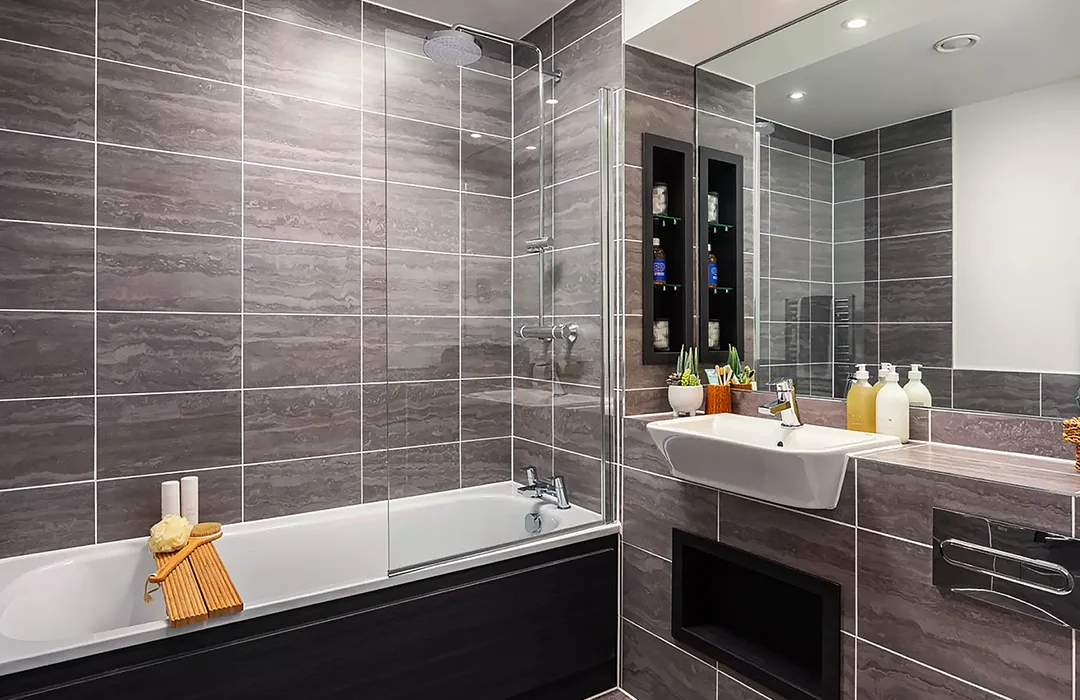

At first glance, tiling a bathroom and tiling a kitchen may appear similar. In practice, they are two very different environments with distinct technical requirements. Choosing the wrong tiles or installation method can lead to premature failure, safety issues, and unnecessary costs.
This guide explains the critical differences between bathroom and kitchen tiling, helping homeowners make informed renovation decisions.
Moisture Exposure: Constant vs Occasional
Bathroom
- Daily exposure to water and steam
- Direct water contact in showers and floors
- High humidity environment
Kitchen
- Occasional water splashes
- Moisture mainly near sink and dishwasher
- Lower humidity overall
Why it matters:
Bathrooms require full waterproofing systems, while kitchens typically do not—except in specific splash zones.
Waterproofing Requirements
Bathroom Tiling
- Mandatory waterproof membrane (AS3740)
- Waterproofing behind walls and under floors
- Critical junction detailing (drains, corners)
Kitchen Tiling
- Usually no full waterproofing required
- Sealant around sinks and benches
- Localised protection only
Image:
Bathroom waterproof membrane application before tiling.
Slip Resistance and Safety
Bathrooms
- Slip-resistant tiles (especially for floors)
- Textured or matte finishes preferred
- Safety is a priority
Kitchens
- Moderate slip resistance required
- Balance between safety and cleanability
- Slightly smoother finishes acceptable
Choosing the wrong surface in wet areas increases accident risk.
Tile Durability and Wear
Bathroom Tiles
- Must resist moisture penetration
- Chemical-resistant (cleaning products)
- Stable under temperature changes
Kitchen Tiles
- Must handle heavy foot traffic
- Impact-resistant (dropped items)
- Resistant to grease and stains
Key point:
Kitchen floor tiles often need higher abrasion ratings than bathroom tiles.
Tile Size and Layout Trends
Bathrooms
- Large-format tiles reduce grout lines
- Wall-to-floor continuity designs
- Vertical tile layouts for height illusion
Kitchens
- Larger floor tiles for durability
- Feature splashbacks
- Functional layouts prioritised over aesthetics
Maintenance and Cleaning
Bathrooms
- Anti-mould grout recommended
- Frequent cleaning due to moisture
- Sealed grout essential
Kitchens
- Easy-clean surfaces preferred
- Stain-resistant grout
- Less frequent deep cleaning
Installation Complexity
Bathrooms
- Higher labour complexity
- Waterproofing compliance required
- Longer installation timeline
Kitchens
- Faster installation
- Fewer technical layers
- Lower labour intensity
This directly affects project timelines and budgets.
Cost Differences
| Area | Relative Cost |
|---|---|
| Bathroom Tiling | Higher |
| Kitchen Tiling | Moderate |
Why bathrooms cost more:
- Waterproofing materials
- Additional preparation
- Compliance inspections
Common Mistakes Homeowners Make
- Using wall tiles on floors
- Skipping slip ratings
- Underestimating waterproofing costs
- Choosing style over functionality
Avoiding these mistakes saves long-term repair expenses.
Professional Advice Before You Start
Before selecting tiles or finalising layouts:
- Assess moisture exposure
- Confirm waterproofing needs
- Choose tiles rated for the correct area
- Work with licensed professionals
Renovating a bathroom or kitchen requires more than good design—it requires correct technical execution.
✔ Licensed & Insured
✔ AS3740 Compliant Waterproofing
✔ Expert Tile Selection Guidance

Noble Tiling Solutions Pty Ltd